Cinema Studio 3.0 prompting
Define shots, mood, motion, and subject behavior in a workflow built for cinematic prompting.

Cinema Studio
3.0 cinematic workflowCinema Studio 3.0 AI video workflow
Cinema Studio 3.0 is an AI video workflow built for cinematic prompting, scene control, image-guided generation, and continuity-aware output through a creator dashboard.
Cinema Studio 3.0 dashboard
Cinema Studio 3.0 preview
Overview
Cinema Studio 3.0 is positioned as a cinematic AI video product for creators who want more than simple text-to-video prompting. The emphasis is on scene planning, reference-aware generation, motion quality, and a workflow that feels closer to directing a shot.
It gives search users a quick path from product overview to the working dashboard.
Features
Define shots, mood, motion, and subject behavior in a workflow built for cinematic prompting.
Keep references close to the prompt layer for more guided image-to-video scene creation.
Keep identity, wardrobe, and scene continuity more stable across repeated generations.
Shape camera rhythm, action weight, and transitions for more directed video output.
Build outputs that fit broader audiovisual workflows instead of isolated prompt experiments.
Move from homepage to dashboard without breaking the product flow.
Use Cases

Build teaser shots with lens notes, impact beats, and tighter cinematic rhythm.

Turn still references into polished motion pieces with deliberate camera drift and continuity.

Create launch visuals with moody lighting, reflective surfaces, and clean reveal shots.
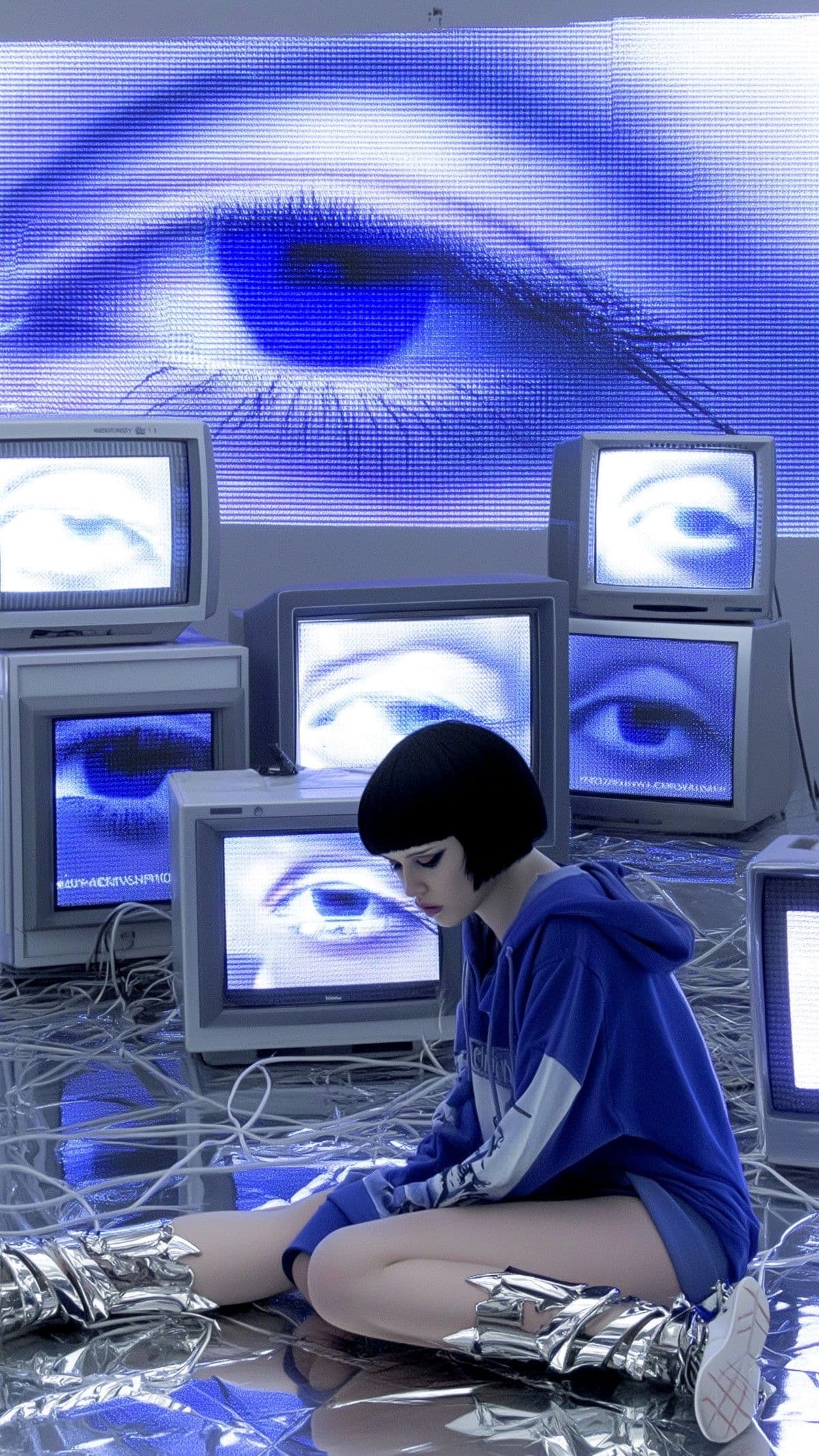
Explore surreal transitions and stylized motion for music-driven visual concepts.
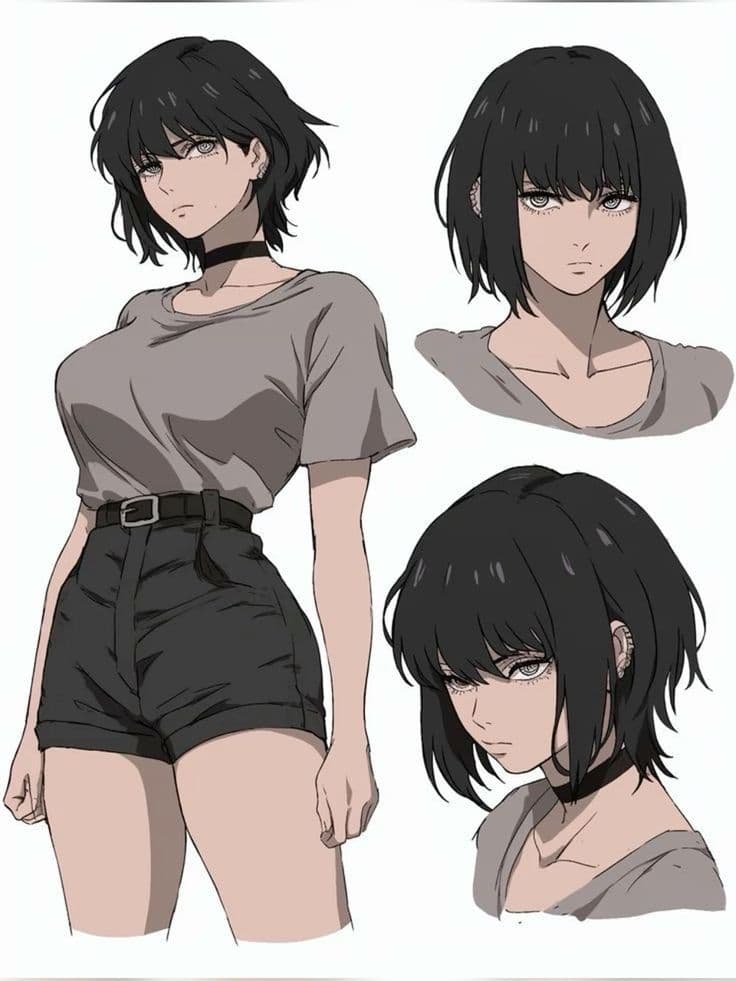
Test identity consistency across angle changes, expressions, and stylized scene variants.
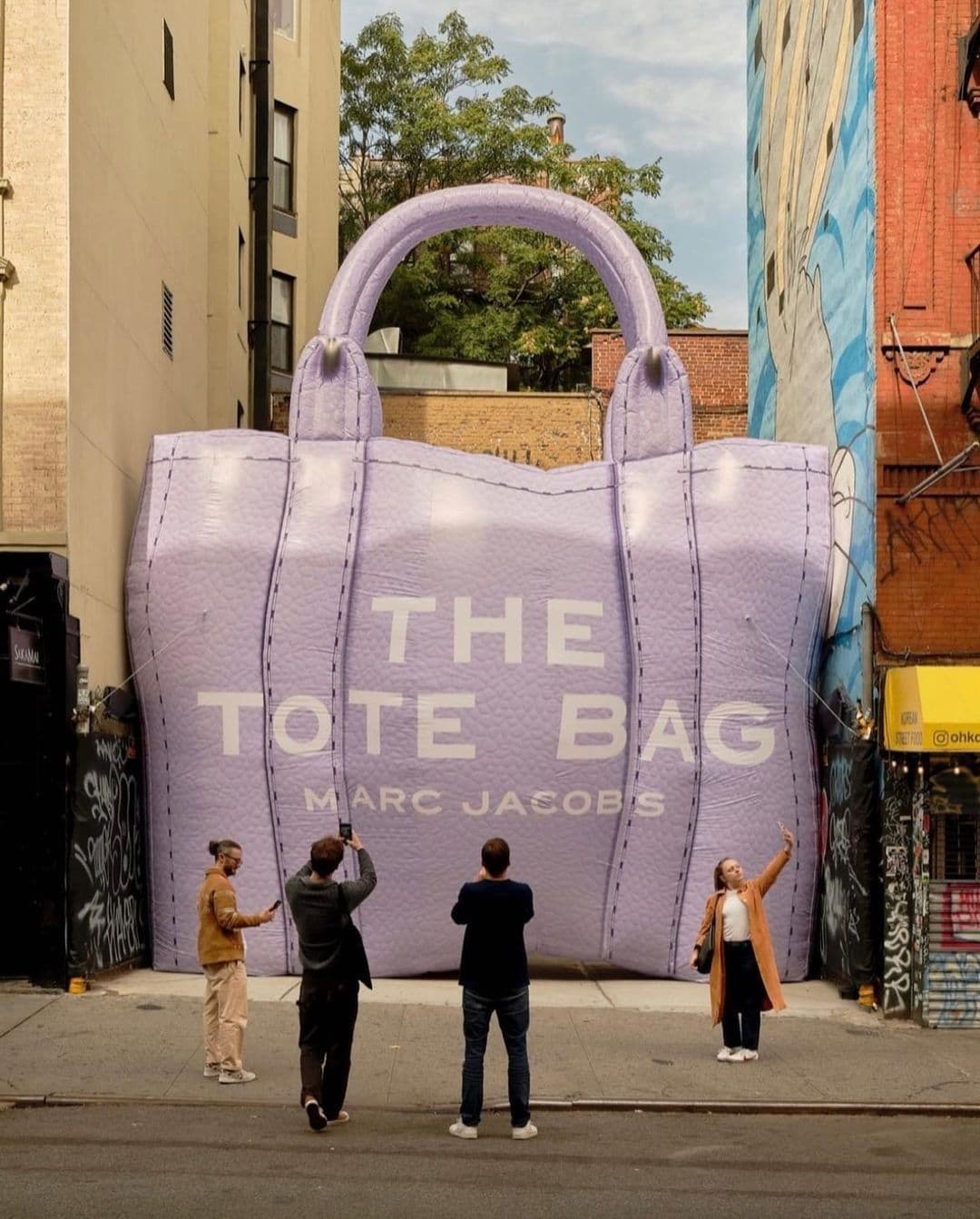
Run repeatable vertical ad concepts with clearer hooks, motion presets, and faster iteration.
Overview
Cinema Studio 3.0 is built around a production-style workflow, not just a single prompt box. It is designed for creators who want stronger control over scenes, references, motion, and continuity.
That makes it a better fit for trailer concepts, product visuals, social ads, music visuals, and other scene-driven video work where repeatable output matters.
Search Intent
Most users searching for Cinema Studio 3.0 want three things quickly: core features, a clear workflow, and direct access to the dashboard.
This homepage keeps those answers on one URL with feature summaries, use cases, workflow steps, pricing, FAQ coverage, and a working generator entry point.
Community
Workflow
Use Cinema Studio 3.0 to define the scene, upload references, and set the cinematic direction before generation begins.
Adjust continuity, action intensity, and pacing so Cinema Studio 3.0 outputs feel guided, coherent, and shot-aware.
Launch the task through the Cinema Studio 3.0 dashboard for queueing, status checks, and future Kling 3.0 powered rendering.
Basic
Ideal for hobbyists and beginners
$9.90/m
12,960 credits/year
1,080 credits/month average
Up to 308 videos/year
Standard
Perfect for most creators
$19.90/m
26,160 credits/year
2,180 credits/month average
Up to 622 videos/year
Pro
Ideal for power users
$49.90/m
65,760 credits/year
5,480 credits/month average
Up to 1,565 videos/year
Highlights
Cinema Studio 3.0 combines feature context, workflow, pricing, and dashboard access on one page.
The homepage focuses on what creators usually want first: controls, use cases, and product access.
Cinema Studio 3.0 reads more like a working AI video product and less like a placeholder landing page.
The dashboard section gives Cinema Studio 3.0 clearer product intent for both users and crawlers.
Cinema Studio 3.0 combines feature context, workflow, pricing, and dashboard access on one page.
The homepage focuses on what creators usually want first: controls, use cases, and product access.
Cinema Studio 3.0 reads more like a working AI video product and less like a placeholder landing page.
The dashboard section gives Cinema Studio 3.0 clearer product intent for both users and crawlers.
FAQ
Cinema Studio 3.0 is an AI video workflow focused on cinematic prompting, scene control, continuity, and dashboard-based generation.
It supports image-to-video direction, cinematic prompt control, continuity handling, motion tuning, and creator-focused generation workflows.
Yes. The site includes a dashboard for prompts, reference uploads, task submission, and status tracking.
The workflow is positioned around Kling 3.0 powered generation, with the dashboard acting as the operating layer.
It is best suited to creators, marketers, designers, editors, and indie teams who want more control over prompts, references, and output.
Yes. Image-guided workflow and reference-aware generation are core use cases on this site.